Persistent fatigue could be iron deficiency, not burnout. Learn the symptoms, diagnosis, treatment options, and when to consider an iron infusion.
Not every kind of exhaustion is burnout. Sometimes it's iron, and it's far more common than most people realise. Research on young Australian women found that 34.8% had ferritin (iron stores) below 30 μg/L, the threshold commonly used in Australia to define iron deficiency. RACGP data puts it similarly: iron deficiency anaemia affects roughly 15% of non-pregnant premenopausal women in Australia. For women with heavy menstrual bleeding specifically, that figure climbs to around half.
If you've been putting persistent tiredness down to work stress or a packed schedule, it's worth knowing that iron deficiency is one of the most common, and most fixable, medical causes of exactly that feeling.
Iron deficiency develops gradually, and its symptoms overlap heavily with everyday tiredness: low energy, poor concentration, light-headedness, shortness of breath on exertion, and pale skin. Because these signs build slowly, they're easy to attribute to being busy rather than a treatable blood finding.
The most common cause in women of reproductive age is heavy menstrual bleeding, a connection many people don't make. A recent Australian community screening study of over 600 women found that 28% reported heavy menstrual bleeding, and those women were significantly more likely to report symptoms of iron deficiency and to have a prior diagnosis. Other contributors include low dietary iron intake, pregnancy, endurance exercise, and reduced absorption from conditions like coeliac disease.
Iron deficiency isn't something to self-diagnose from symptoms alone, it's confirmed with a simple blood test measuring ferritin (iron stores) alongside a full blood count. This matters because fatigue has many other causes, some of which (like thyroid dysfunction) can look almost identical. A proper work-up means you're treating the actual cause, not guessing.
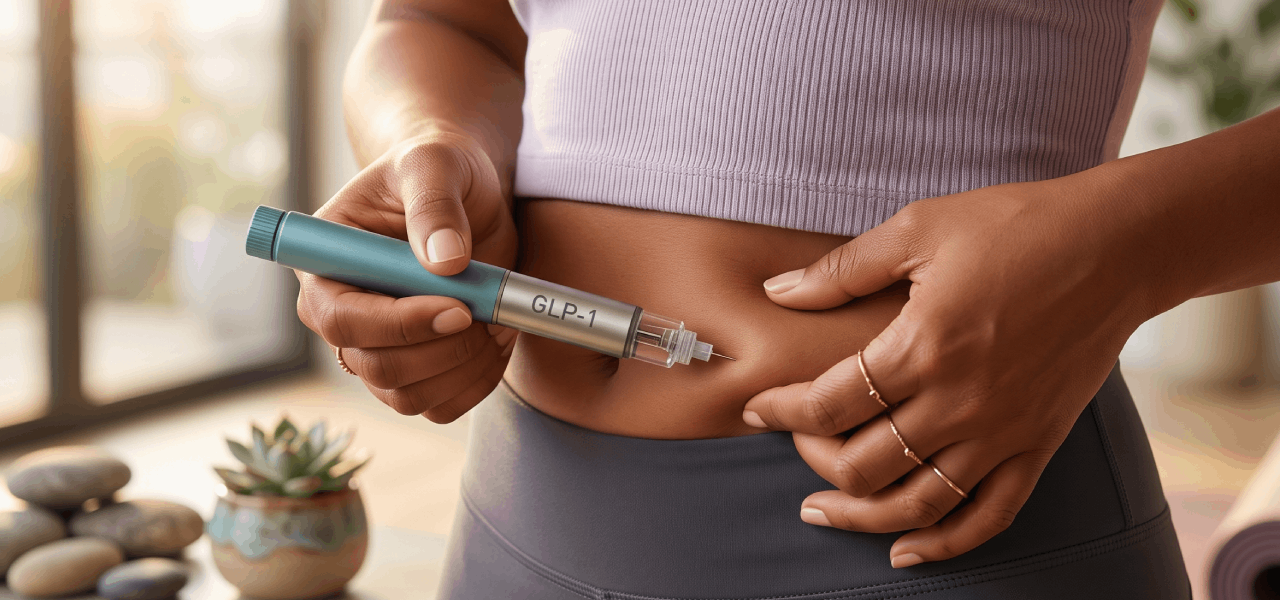
For most people, oral iron tablets remain the first-line treatment. But according to Australian Prescriber guidelines, intravenous iron is indicated when oral iron has failed, isn't tolerated, or when faster correction is clinically needed. Modern IV formulations like ferric carboxymaltose can deliver a full iron dose in around 15–30 minutes, with ferritin levels rising within 7–9 days and haemoglobin typically improving within 2–3 weeks, considerably faster than the months oral iron can take, particularly for people who find tablets hard on the stomach.
It's worth being clear-eyed here: an infusion isn't automatically the "better" option for everyone — it's a clinical decision based on your test results, your history, and how you've responded to oral iron so far. That decision should always follow a proper GP assessment.
Iron absorption isn't just about how much iron you eat, it's about how you eat it. Vitamin C enhances absorption, while tannins in tea and coffee can inhibit it around mealtimes. Getting this balance right, alongside good iron-rich food choices, is exactly the kind of detail our dietitian Sam Armstrong works through with patients, particularly where diet is a contributing factor rather than the sole cause.
For patients who meet the clinical criteria, Next Practice Newstead offers an in-house Iron Infusion Clinic, with infusions administered by our nursing team, led by Melanie Koning, under GP supervision. No specialist referral is required for existing patients, just a GP consult and blood test confirmation first, so your treatment is based on your actual iron levels, not assumptions.
If you're based in Newstead, Fortitude Valley, Teneriffe, Bowen Hills, New Farm or the Brisbane CBD and you've been feeling constantly run-down, it's worth ruling iron deficiency in or out before putting it down to "just life."
Book a GP appointment at Next Practice Newstead, 520 Wickham Street, Fortitude Valley, to check whether iron deficiency might be part of the picture.
This article is general information only and isn't a substitute for individual medical advice. Iron infusions are only appropriate following blood test confirmation and GP assessment.
RACGP. check: Iron deficiency. racgp.org.au
Medical Journal of Australia. (2024). Updating the diagnosis and management of iron deficiency in the era of routine ferritin testing of blood donors by Australian Red Cross Lifeblood. mja.com.au
Iron insufficiency among young Australian women: a population-based survey. PubMed
Community screening for iron deficiency in reproductive aged women: Lessons learnt from Australia. PMC11753822
Australian Prescriber. Correcting iron deficiency. australianprescriber.tg.org.au
Australian Red Cross Lifeblood. Treating iron deficiency anaemia. lifeblood.com.au


.jpg)